
Intro TextThe use of ultrasound has increased steadily in recent years. Its rise is driven by an aging population, increasing chronic disease, and the need for cost-effective, radiation-free, non-invasive diagnostics. Philips has redefined ultrasound performance by utilizing NVIDIA technology across its comprehensive portfolio—including cardiology, general imaging, obstetrics, gynecology, and point-of-care applications.* This article was originally published by NVIDIA. NVIDIA is a technology company that specializes in artificial intelligence computing.

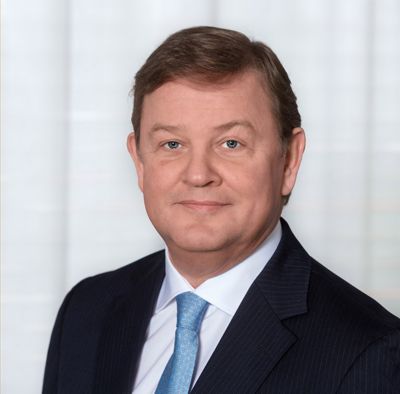
Provide a caption to this photo that ties it into the content. Do not simply describe what is shown in the photo, but rather give it context around the topic this page is about.
Philips Ultrasound faced challenges that were constraining innovation and patient care delivery. On the development side, the company sought faster iteration cycles in algorithm development, while managing increasingly complex parallel processing demands that strained their traditional hardware-based architecture.
Clinically, ultrasound imaging remained highly patient-dependent with significant variability across different patients and scenarios. Healthcare providers needed more robust imaging that could adapt automatically, deliver higher-resolution 3D volumes at better frame rates and offer advanced tools for visualizing complex anatomy—particularly during interventional procedures and in women’s healthcare applications.
To accelerate innovation and support increasingly advanced imaging techniques, Philips transitioned its ultrasound platform from custom FPGA-based hardware to software-defined beamforming for its third generation. Powered by NVIDIA RTX professional GPUs, this transformation delivers the high-performance, energy-efficient computing needed for real-time beamforming. The result is sharper images, faster processing and more confident diagnoses, helping clinicians deliver better care, more efficiently.
Templates | Validation | Status |
|---|---|---|
Article | Body text | Active |
Article | Title | Active |
Article | Publication | Active |
Callout: Published - EN - NZ
1. updated EENNN GPU beamforming enhances diagnostic confidence, thereby reducing the need for clinicians to interpret ambiguous ultrasound images. Improved image quality eases the burden of difficult cases, enabling consistent exams and smoother workflows. In procedural settings, GPU-enabled systems support demanding imaging for minimally invasive interventions, expanding access and reducing costs.
Callout: Published - EN - DRAFT - NZ
2.EEENNNN Philips’ scalable GPU platforms allow future upgrades via software, preserving capital investment and ensuring long-term value. Technologies like TrueVue and GlassVue—Philips’ advanced 3D imaging solutions— directly benefit from GPU acceleration, delivering photorealistic images that enhance depth perception and anatomical understanding in real time.
Callout: Published - EN - Changed - NZ
3.EENNN Philips' transformation from FPGA-based to GPU-accelerated ultrasound imaging demonstrates enables medical device manufacturers to break through traditional hardware limitations while delivering superior clinical outcomes. By transitioning from rigid, custom hardware systems to flexible, software-defined architectures, Philips has established a foundation for continuous innovation that directly benefits both healthcare providers and patients through enhanced diagnostic capabilities, improved workflow efficiency, and expanded treatment options for complex cardiac
Quote: Published - EN - NZ
English - Locale - It’s nothing for members of the care team without members of the care team… this is the fingerprint we’re leaving on nursing.

Callout: Published - EN - Changed - NZ
CHANGED - English - Locale - It’s nothing for members of the care team without members of the care team… this is the fingerprint we’re leaving on nursing.
Callout: Published - EN - Draft- NZ
DRAFT - English - Locale - It’s nothing for members of the care team without members of the care team… this is the fingerprint we’re leaving on nursing.
SINGLE PAL - You tube : Published - EN - NZ

single pal - youtube - en - Provide a caption to this photo that ties it into the content.
SINGLE PAL - VIDEO : Published - EN - NZ

Single pal - video - en - Provide a caption to this photo that ties it into the content
SINGLE PAL - PDF : Published - EN - NZ
single Pal - PDF - En - Provide a caption to this photo that ties it into the content.
SINGLE PAL - DOCX : Published - EN - NZ
Single Pal - Doc - en - Provide a caption to this photo that ties it into the content.
SINGLE PAL - Image : Published - EN - NZ

SINGLE PAL - IMAGE - EN - context around the topic this page is about.
SINGLE PAL - Image : Published - EN - Changed - NZ
SINGLE PAL - IMAGE - EN - context around the topic this page is about.
SINGLE PAL - Image : Published - EN - DRAFT- NZ
SINGLE PAL - IMAGE - EN - context around the topic this page is about.
MULTI PAL - Image : Published - EN - NZ

1. SIT - MULTI ASSET - IMAGE - KAVYA - EN

2. SIT - MULTI ASSET - IMAGE - KAVYA - EN

4. UNCROP - SIT - MULTI ASSET - IMAGE - KAVYA - EN

5. UNCROP - SIT - MULTI ASSET - IMAGE - KAVYA - EN
MULTI PAL - Videos: Published - EN - NZ

1. SIT - MULTI PAL - VIDEOS - KAVYA - EN

2. SIT - MULTI PAL - VIDEOS - KAVYA - EN
MULTI PAL - DOC: Published - EN - NZ
MULTI PAL - Youtube: Published - EN - NZ

1. SIT - MULTI PAL - YOUTUBE - KAVYA - EN

2. SIT - MULTI PAL - YOUTUBE - KAVYA - EN
MULTI PAL - Youtube: Published - EN - Changed - NZ
1. SIT - MULTI PAL - YOUTUBE - KAVYA - EN
2. SIT - MULTI PAL - YOUTUBE - KAVYA - EN
MULTI PAL - Youtube: Published - EN - Draft- NZ
1. SIT - MULTI PAL - YOUTUBE - KAVYA - EN
2. SIT - MULTI PAL - YOUTUBE - KAVYA - EN
Featured Story - Article: Published - EN - NZ
Featured Story - Case Study : Published - EN - Draft - NZ
Featured Story - Video : Published - EN - Changed - NZ
======================================================================================

Test foundation fix R 8.0 yt
update -Validating long description
update -Validating long description

The topic is to test component person.
EN - Document - Include the title that will appear next to the document download button
